Tractor Hydraulic Parts: Maintaining Efficiency and Sustainability
Sustainable agriculture demands efficient machinery, and your tractor's hydraulic system is central to this efficiency. This guide provides practical information on maintaining your tractor's hydraulics for optimal performance and environmental responsibility. Understanding the system's components and implementing preventative maintenance are key to minimizing downtime, maximizing resource use, and reducing your environmental impact. Ignoring maintenance can lead to increased fuel consumption and unnecessary repairs, ultimately hindering sustainable farming practices. How can we ensure our hydraulic systems are functioning optimally and cost-effectively? For more information on hydraulic fluids, check out this helpful resource.
Understanding Your Tractor's Hydraulic System
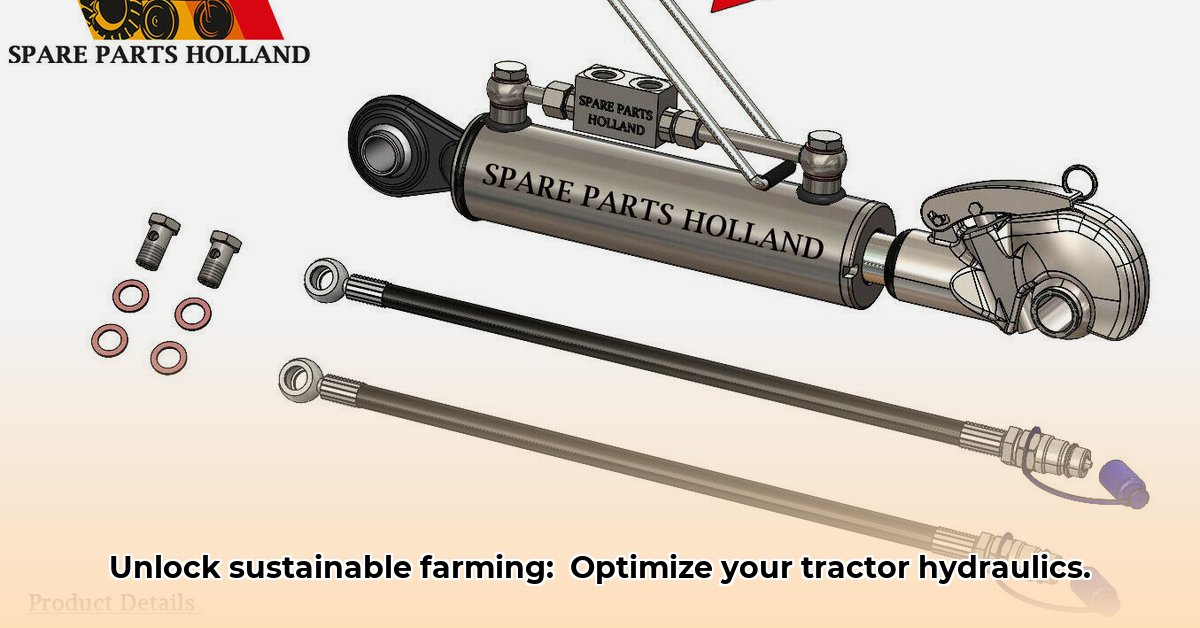
Think of your tractor's hydraulic system as its circulatory system. The hydraulic pump (the heart) pressurizes the hydraulic fluid. Valves (traffic signals) direct this fluid. Cylinders (muscles) convert fluid pressure into mechanical force for lifting and steering. Hoses (arteries and veins) carry the fluid. A thorough understanding of these components is essential for effective troubleshooting and maintenance. Did you know that a single small leak can lead to significant fluid loss and environmental damage over time?
Common Hydraulic Problems and Solutions
Even with careful attention, hydraulic issues can arise. Here are common problems and straightforward solutions:
Sluggish Implement Movement: Often indicates low fluid levels, a failing pump, or a clogged filter. First, check the fluid level; replenishing the fluid with the correct type often resolves the issue. If levels are correct, a clogged filter (requiring replacement) is the next likely cause. A struggling pump signals a more serious problem demanding professional attention.
Leaks: Leaks, from minor drips to significant spills, necessitate prompt attention. Inspect hoses, seals, and cylinders carefully for damage or loose connections. Addressing small leaks promptly prevents larger problems and minimizes fluid waste.
Erratic Implement Behavior: Unexpected movement or unresponsive implements suggest valve or control system issues. Simple adjustments might suffice, but faulty valves may require repair or replacement.
Complete Hydraulic Failure: This represents a major problem, usually indicating pump failure or a more serious system issue. Immediate professional help is required; attempting DIY repairs is strongly discouraged.
Preventative Maintenance: A Sustainable Strategy
Preventative maintenance is crucial for long-term system health and sustainability. Here's a suggested schedule; always check your tractor's manual for manufacturer-specific advice:
Daily Check: Inspect fluid levels and pressure. Examine hoses for wear, cracks, or leaks. Look for any bulges indicating internal damage. Do you perform these daily checks to prevent unexpected downtime?
Weekly Inspection: Listen for unusual noises—groans, hisses, or whining—that might suggest a problem. Conduct a thorough visual inspection for leaks.
Monthly Maintenance: Replace hydraulic filters, more frequently if operating in dusty conditions.
Annual Professional Service: Schedule a comprehensive inspection by a qualified mechanic to catch potential problems early. This preventative care ensures that your tractor remains productive and environmentally friendly. What is your annual maintenance budget for your tractor's hydraulic system?
Eco-Friendly Hydraulic Fluids: Minimizing Environmental Impact
Modern biodegradable hydraulic fluids reduce the consequences of leaks. Although the initial cost might be higher, the long-term environmental and economic benefits often justify the investment. What percentage of farmers currently use eco-friendly alternatives in their hydraulic systems?
Selecting Hydraulic Systems for Precision Farming
Choosing the right hydraulic system is critical for sustainable precision agriculture. Load-sensing systems offer significant fuel savings (up to 50% in some cases) by only generating the needed power. Autosteering enhances accuracy, minimizing resource waste and maximizing efficiency. Always carefully consider your farm's size, crop type, and budget before committing to any specific system. Remember that proper operator training and ongoing maintenance are crucial for maximizing efficiency and minimizing environmental footprint.
Key Considerations:
- Farm size and crop type: These factors significantly influence the appropriate hydraulic system.
- Budget: Load-sensing and autosteering systems represent a higher initial investment but offer long-term cost savings.
- Maintenance: Factor in ongoing maintenance costs and your ability to perform or outsource these tasks.
- Operator training: Proper training is crucial for effective utilization of advanced systems.
By implementing these strategies, you'll ensure your tractor's hydraulic system operates efficiently and sustainably, contributing to a more productive and environmentally responsible farm operation.